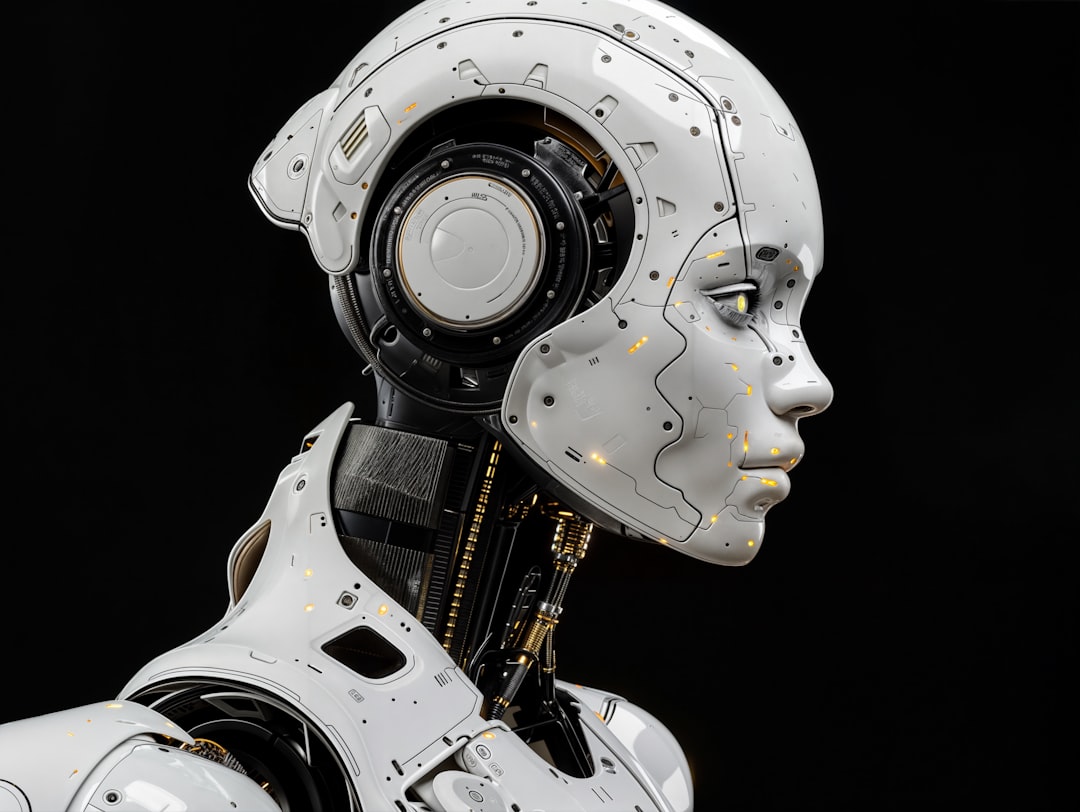
As we step into the new era of technological advancements, it’s hard to ignore the buzz surrounding Artificial Intelligence (AI). From sci-fi movies to real-life applications, AI has been making waves in every industry, transforming the way we live, work, and interact. But what exactly is AI, and how is it changing the world? In this comprehensive guide, we’ll delve into the world of AI, exploring its definition, types, applications, and future prospects. Whether you’re a tech enthusiast, a business owner, or simply curious about the future, this article will provide you with valuable insights into the power of AI.
Introduction to Artificial Intelligence (AI)
Artificial Intelligence refers to the development of computer systems that can perform tasks that typically require human intelligence, such as learning, problem-solving, decision-making, and perception. The term AI was coined in 1956 by John McCarthy, a computer scientist and cognitive scientist, who defined it as “the science and engineering of making intelligent machines.” Since then, AI has undergone significant transformations, from rule-based expert systems to machine learning (ML) and deep learning (DL) algorithms. Today, AI is a multidisciplinary field that combines computer science, mathematics, engineering, and cognitive psychology to create intelligent systems that can interact with humans and their environment.
Types of Artificial Intelligence (AI)
There are several types of AI, each with its unique characteristics and applications. Some of the most common types of AI include:
- Narrow or Weak AI: Designed to perform a specific task, such as facial recognition, language translation, or playing chess. Examples of narrow AI include virtual assistants like Siri, Alexa, and Google Assistant.
- General or Strong AI: A hypothetical AI system that possesses human-like intelligence, capable of performing any intellectual task. While we’re still far from achieving general AI, researchers are making significant progress in developing more advanced AI systems.
- Superintelligence: An AI system that surpasses human intelligence, potentially leading to exponential growth in technological advancements. However, superintelligence also raises concerns about AI safety and control.
- Artificial General Intelligence (AGI): A type of AI that combines the capabilities of narrow AI with the flexibility of human intelligence. AGI is considered the holy grail of AI research, with potential applications in areas like healthcare, finance, and education.
- Healthcare: AI-powered systems can analyze medical images, diagnose diseases, and develop personalized treatment plans. For example, AI-assisted diagnosis can help doctors detect breast cancer more accurately and at an early stage.
- Finance: AI-driven algorithms can analyze market trends, predict stock prices, and optimize investment portfolios. AI-powered chatbots can also provide customer support and help with transactions.
- Customer Service: AI-powered chatbots can provide 24/7 customer support, answering queries and resolving issues in real-time. AI-driven sentiment analysis can also help businesses improve their customer experience.
- Education: AI-based systems can personalize learning experiences, adapt to individual learning styles, and provide real-time feedback. AI-powered tutoring platforms can also help students learn complex subjects like math and science.
- Natural Language Processing (NLP): AI systems will become more proficient in understanding and generating human-like language, enabling more effective communication between humans and machines.
- Computer Vision: AI-powered systems will be able to interpret and understand visual data from images and videos, leading to improvements in areas like surveillance, healthcare, and autonomous vehicles.
- Robotics: AI-driven robots will become more autonomous, flexible, and adaptable, transforming industries like manufacturing, logistics, and healthcare.
- Ethics and Safety: As AI becomes more pervasive, there will be a growing need to address concerns around AI safety, security, and ethics, ensuring that AI systems are developed and used responsibly.
- AI is a multidisciplinary field that combines computer science, mathematics, engineering, and cognitive psychology.
- There are several types of AI, including narrow, general, and superintelligence.
- AI has numerous applications across various industries, including healthcare, finance, customer service, and education.
- The future of AI holds significant promise, with advancements in areas like NLP, computer vision, robotics, and ethics and safety.
Applications of Artificial Intelligence (AI)
AI has numerous applications across various industries, including:
The Future of Artificial Intelligence (AI)
As AI continues to evolve, we can expect significant advancements in areas like:
In conclusion, Artificial Intelligence is a powerful technology that has the potential to transform every aspect of our lives. From healthcare and finance to education and customer service, AI is already making a significant impact. As we move forward, it’s essential to understand the types, applications, and future prospects of AI, as well as the potential challenges and concerns. By embracing AI and its potential, we can create a better future for ourselves and for generations to come. Key takeaways from this article include:
As we embark on this AI-powered journey, it’s crucial to stay informed, adapt to changing technologies, and ensure that AI is developed and used responsibly. By doing so, we can unlock the full potential of AI and create a brighter, more sustainable future for all.